Is varicose vein treatment painful?
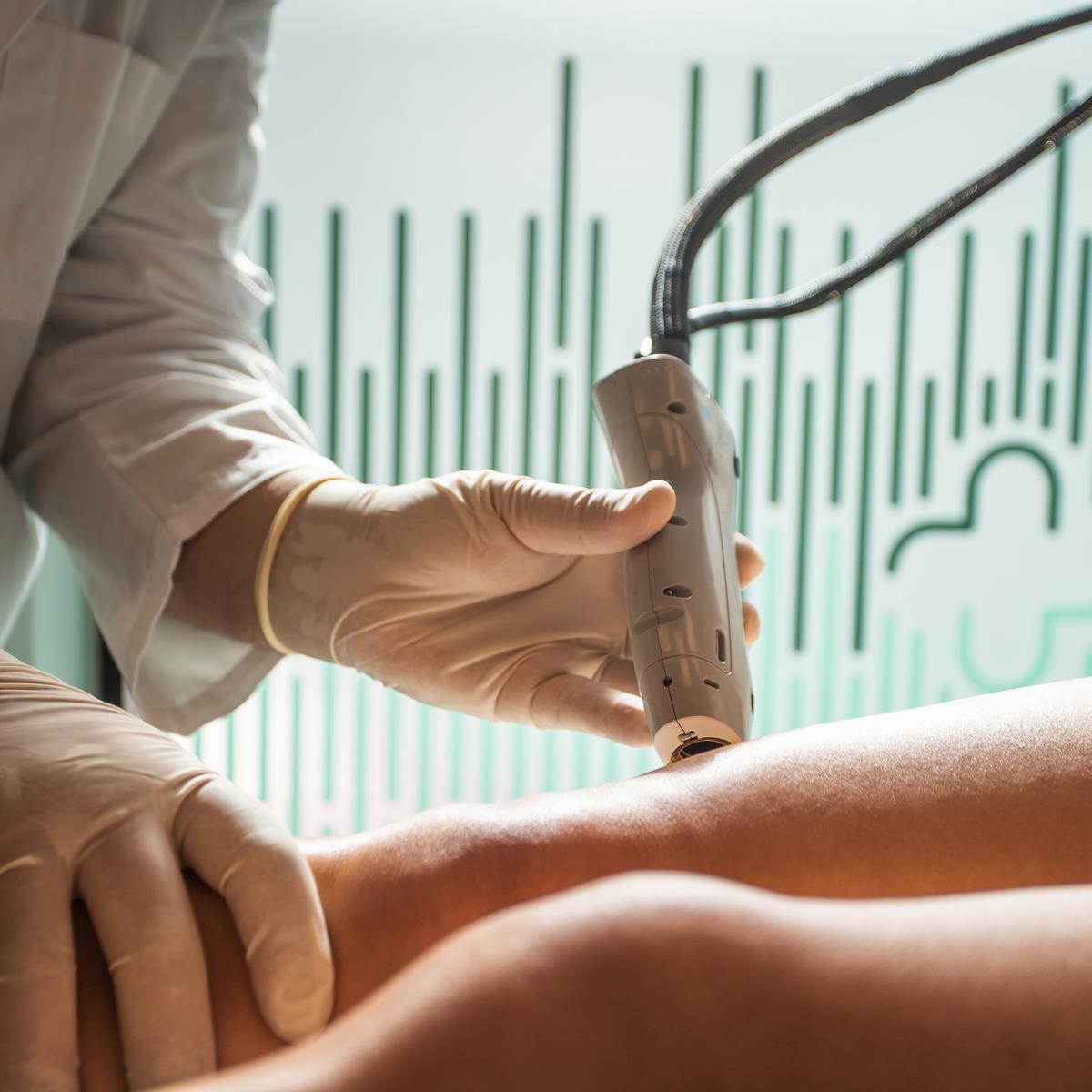
No, the procedure is performed under local anesthesia, so you will not feel pain during the treatment. Afterwards, you may experience mild soreness or a "tightening" sensation in the leg, but this subsides quickly and is easily managed with standard over-the-counter pain relief.
Do I need sick leave after varicose vein removal?
One of the main advantages of our modern EVRF method is that sick leave is typically not required. Most patients return to work and light daily activities the very next day.
Can varicose veins return after surgery?
Radiofrequency ablation (EVRF) has a very high success rate (over 95%). Once the diseased vein is sealed, it is permanently addressed. However, since the tendency for varicose veins can be hereditary, new veins may develop elsewhere over time, but the treated veins will remain closed.
Do I need a referral to receive treatment?
No, at Dr.Dropin Specialist Clinic, you do not need a referral from a GP. You can book an appointment for an ultrasound assessment directly with our senior consultant. This ensures rapid access to care without unnecessary waiting times.
What happens during a vascular consultation?
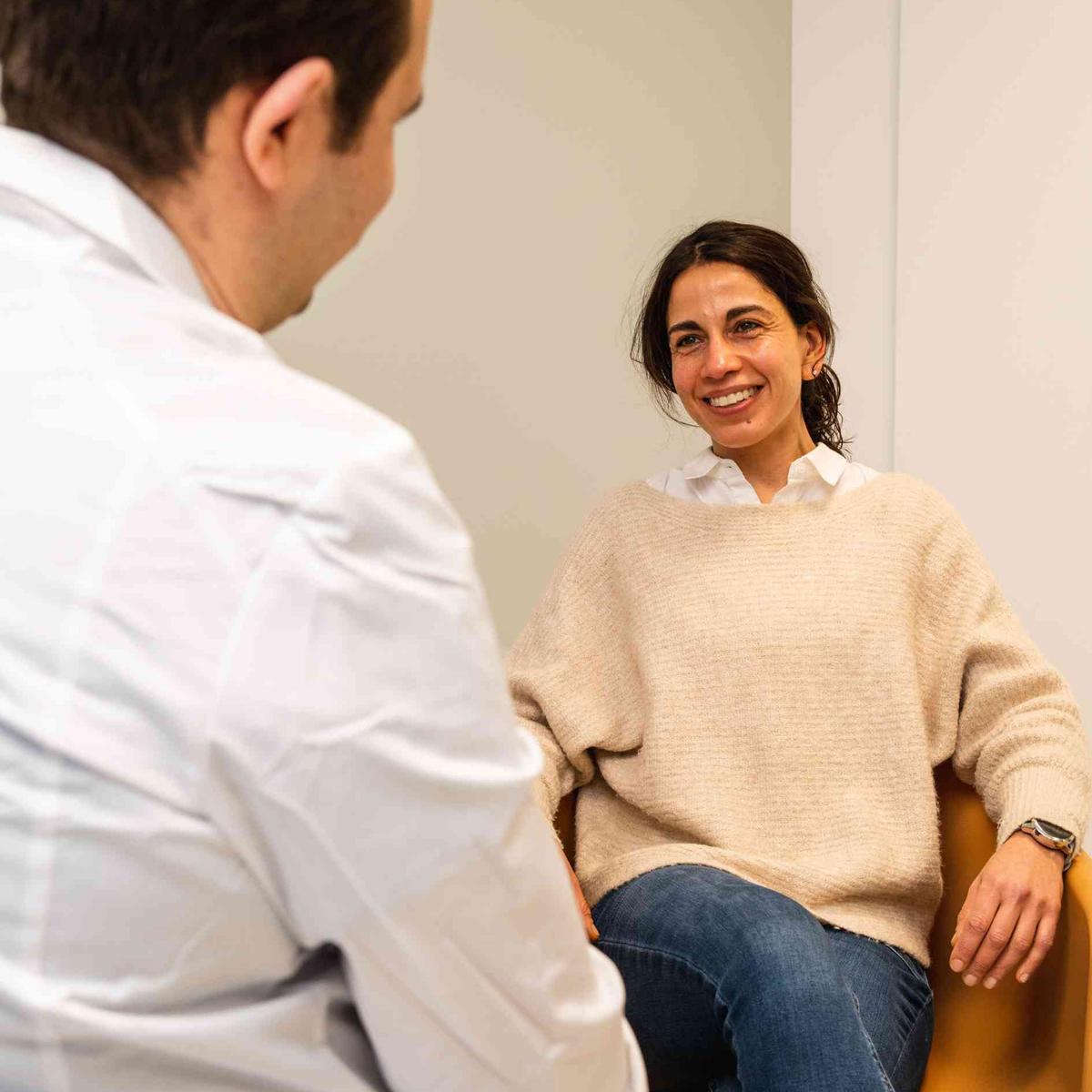
A consultation at our clinic is a thorough and non-binding assessment that typically lasts 20–30 minutes. Our goal is to map your varicose veins and create a personalized treatment plan.
1. Medical History: The surgeon will discuss your symptoms (such as leg heaviness, pain, itching, or cosmetic concerns) and review your general health.
2. Clinical Examination: We examine your legs while you are standing to assess the extent and visibility of the varicose veins.
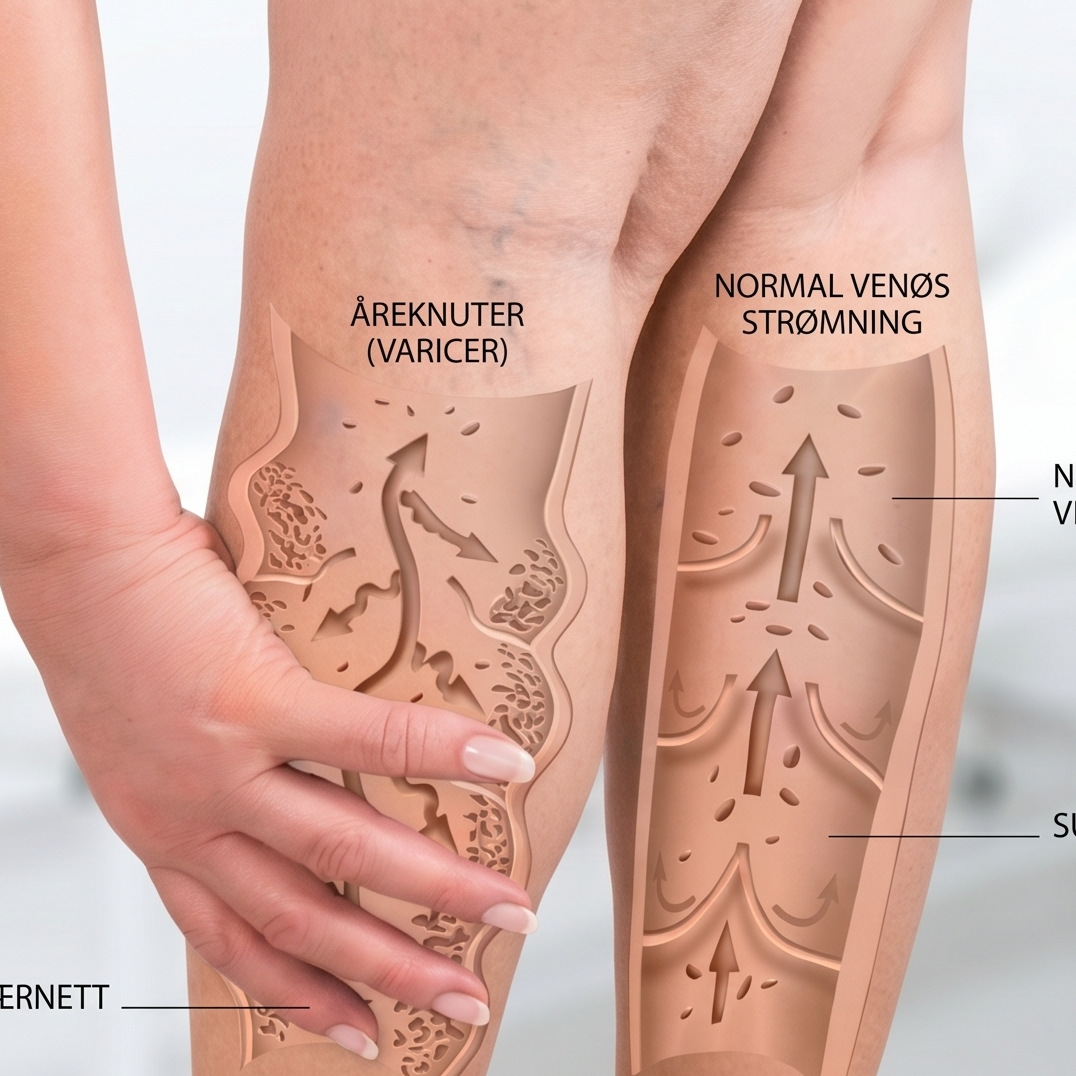
3. Duplex Ultrasound (The Gold Standard): This is the most critical part of the exam. The surgeon uses ultrasound to look "beneath the skin." We measure the blood flow and check if the vein valves are functioning correctly or if there is "reflux" (blood flowing in the wrong direction). This is completely painless.
4. Assessment and Treatment Plan: Based on the findings, the surgeon will explain if treatment is recommended, which method is best for you (e.g., EVRF or foam sclerotherapy), and provide you with a transparent, fixed-price quote.
Why choose Dr.Dropin over other providers?
We practice a fixed pricing model with no hidden fees. While many providers use "starting at" prices, we include all medical equipment and senior consultant expertise in our rate. We use the latest EVRF technology, which ensures less discomfort than older laser methods, and we are an approved provider for major insurance companies.
Is it dangerous to leave varicose veins untreated?
For most people, varicose veins are mainly bothersome. However, over time, untreated veins can lead to more serious conditions such as chronic skin changes, leg ulcers, or even blood clots (superficial thrombophlebitis). An assessment with our vascular surgeon will determine if your veins pose a medical risk.
Do I need to wear compression stockings, and when can I resume training?
Yes, to achieve optimal healing results following laser or radiofrequency thermal treatment, a class II compression stocking must be worn for a total of 10 days post-procedure.
You must also avoid strenuous physical exercise, heavy lifting, and intensive sports activities for the first 10 days. However, light everyday movement and gentle walking are highly recommended from day one.
Can I fly or exercise immediately after surgery?
We generally recommend waiting 1–2 weeks before resuming heavy lifting or high-intensity exercise. Regarding air travel, you should avoid long-haul flights (over 4 hours) for the first two weeks to minimize the risk of blood clots. Short flights are usually fine after a couple of days, but always consult your surgeon first.
Do I need to return to the clinic for a follow-up control?
Modern endovenous thermal treatment is a highly predictable and reliable method, boasting a documented success rate where 95% of the treated veins are permanently occluded. Because complications are exceptionally rare and overall patient satisfaction is high, there is fundamentally no planned follow-up control required with the vascular surgeon after the procedure. Should any questions or specific needs arise during your recovery period, our team is always fully available to assist you.
Why do varicose veins develop, and can they be prevented?
The most common cause is genetics, which affects the valves in your veins. Other factors include pregnancy, obesity, and professions that require prolonged standing or sitting. While they cannot always be entirely prevented, staying physically active, maintaining a healthy weight, and wearing compression stockings can help.
What are varicose veins (varices)?
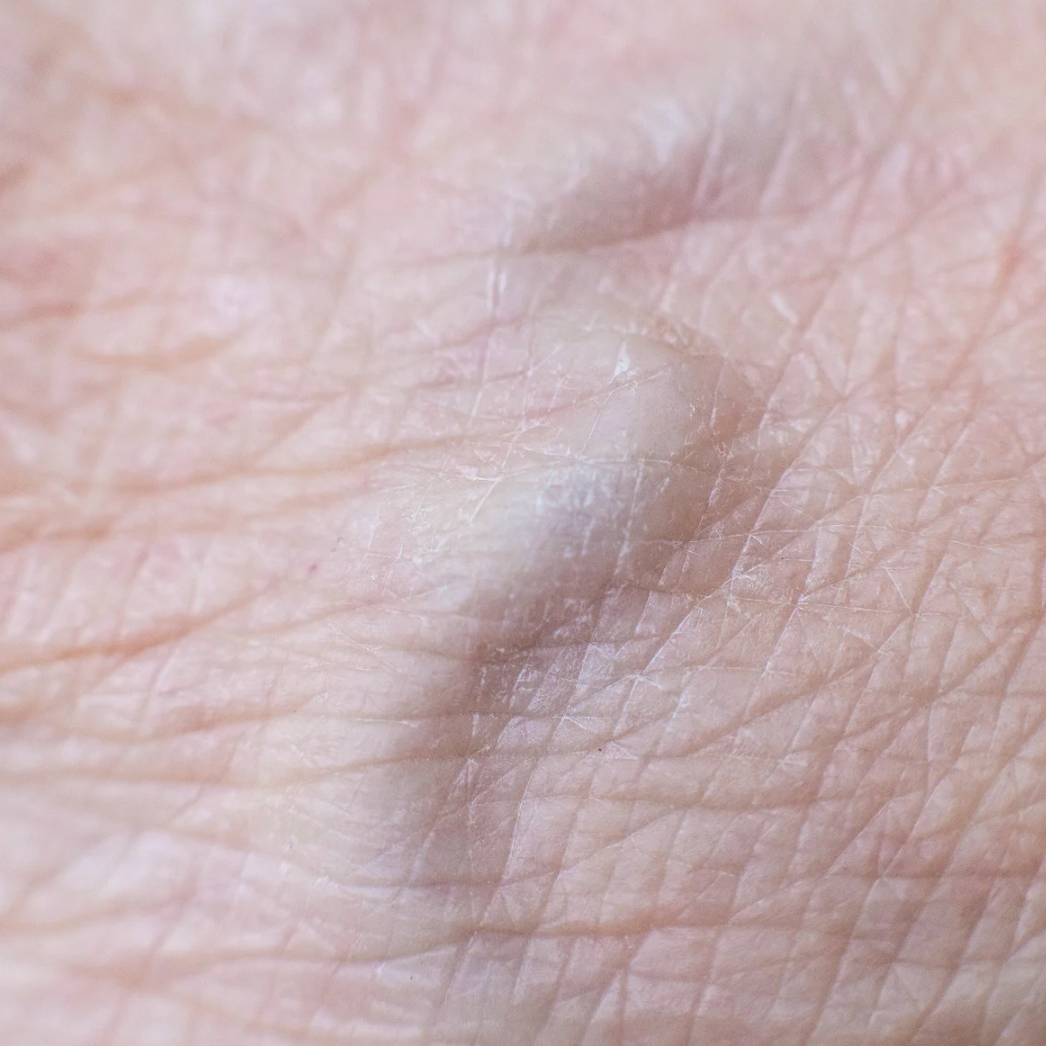
Varicose veins are enlarged, visible veins that develop when the valves in the circulatory system do not function optimally. This causes blood to pool in the legs instead of flowing efficiently back to the heart. While many perceive this as a purely cosmetic issue, it is actually a sign of an underlying medical condition that can cause symptoms such as heaviness, itching, and pain. At Dr.Dropin, we use high-precision ultrasound to map exactly which valves are failing and to determine the best course of treatment.