What is rosacea?
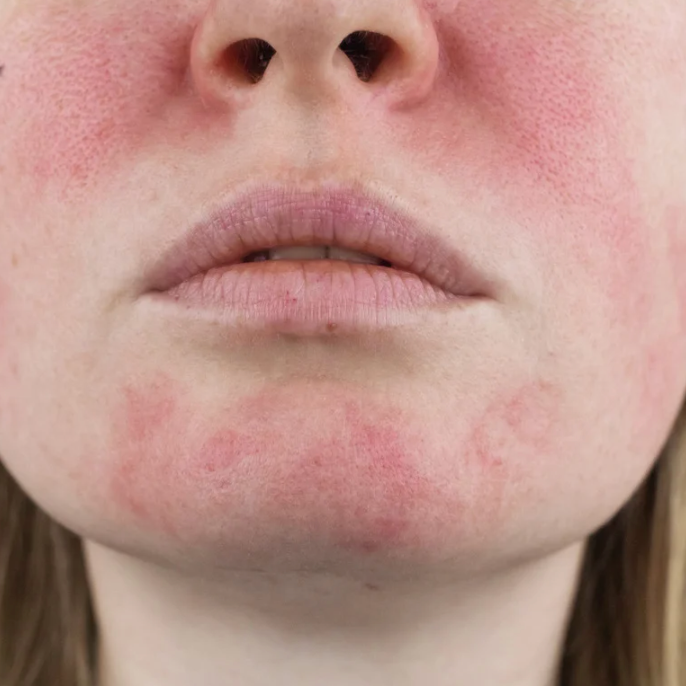
Rosacea is a common skin disease that causes redness and visible blood vessels on the face. It can also produce small, red, pus-filled bumps. Rosacea occurs most often in adults between the ages of 30 and 50.
What are the symptoms of rosacea?
The most common symptoms of rosacea include:
✔️ Facial redness (flushing) ✔️ Visible blood vessels in the face
✔️ Small, red bumps (sometimes with pus) ✔️ Burning or stinging sensation in the face ✔️ Dry skin ✔️ Swollen eyelids (in some cases)
What causes rosacea?
The exact cause of rosacea is unknown, but several factors can contribute to the development of the condition, including:
- Heredity
- Environmental factors (sun, wind, extreme temperatures)
- Abnormally functioning blood vessels in the face
- Demodex mites (a type of skin mite)
- Bacteria (Helicobacter pylori)
Is rosacea contagious?
No, rosacea is not contagious. You can't get it from touching someone who has it or sharing personal items.
How is rosacea diagnosed?
A dermatologist can usually diagnose rosacea by examining your skin and reviewing your medical history. In some cases, they may take a skin biopsy or perform other tests to rule out other conditions.
Can rosacea be cured?
There is no cure for rosacea, but treatment can help control and reduce symptoms.
How is rosacea treated?
Treatment options for rosacea include:
- Topical medicines (creams and gels)
- Oral medications (antibiotics, isotretinoin)
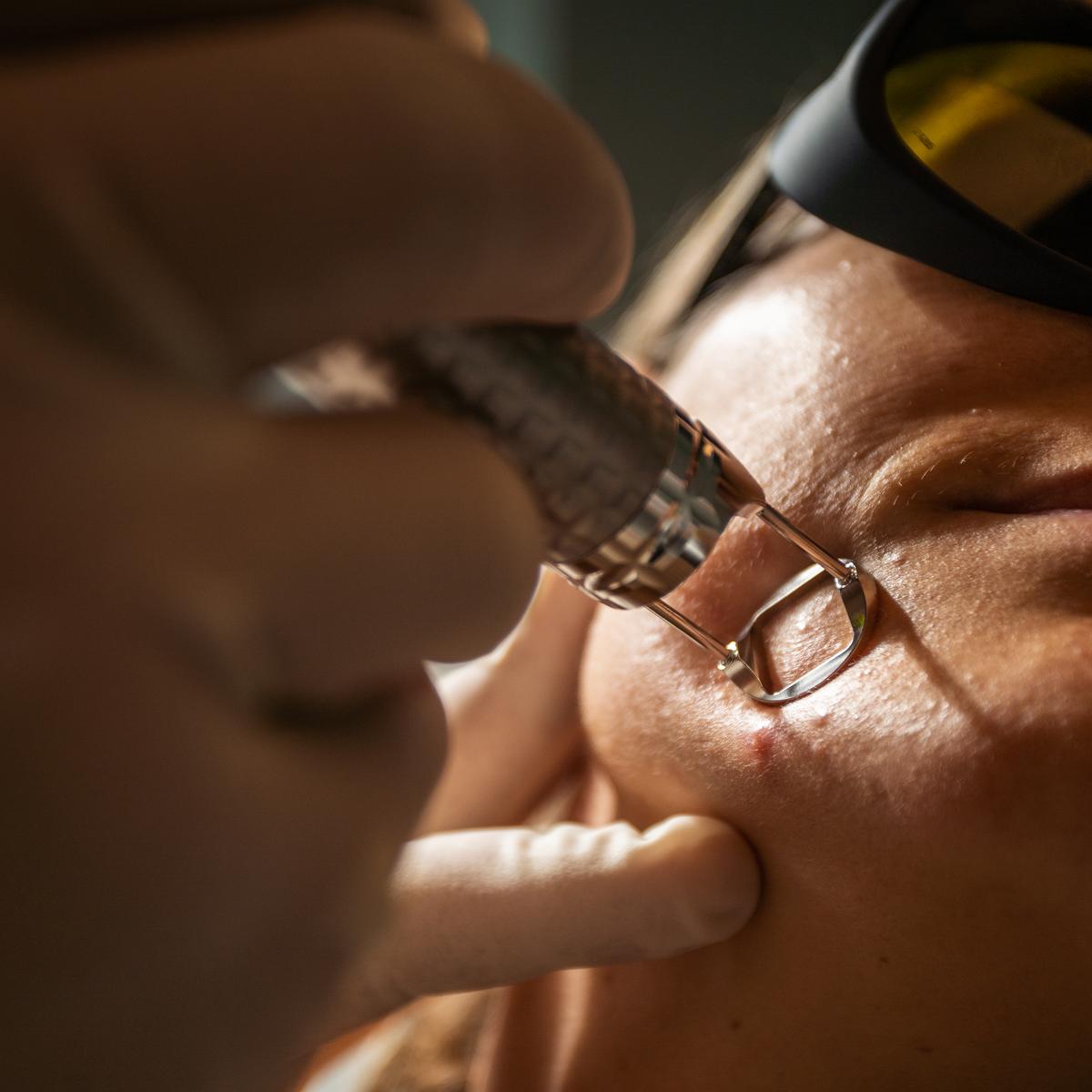
- Laser treatment or intense pulsed light (IPL) therapy
- Surgery (in rare cases)
When should I see a doctor for rosacea?
If you experience symptoms of rosacea, you should see a dermatologist for diagnosis and treatment. Early treatment can help prevent the condition from worsening.
Can rosacea affect my eyes?
Yes, in some cases rosacea can affect the eyes, a condition called ocular rosacea. Symptoms may include red, dry, itchy or watery eyes. If you experience eye problems, you should see an ophthalmologist.