Ultrasound examination of ankle
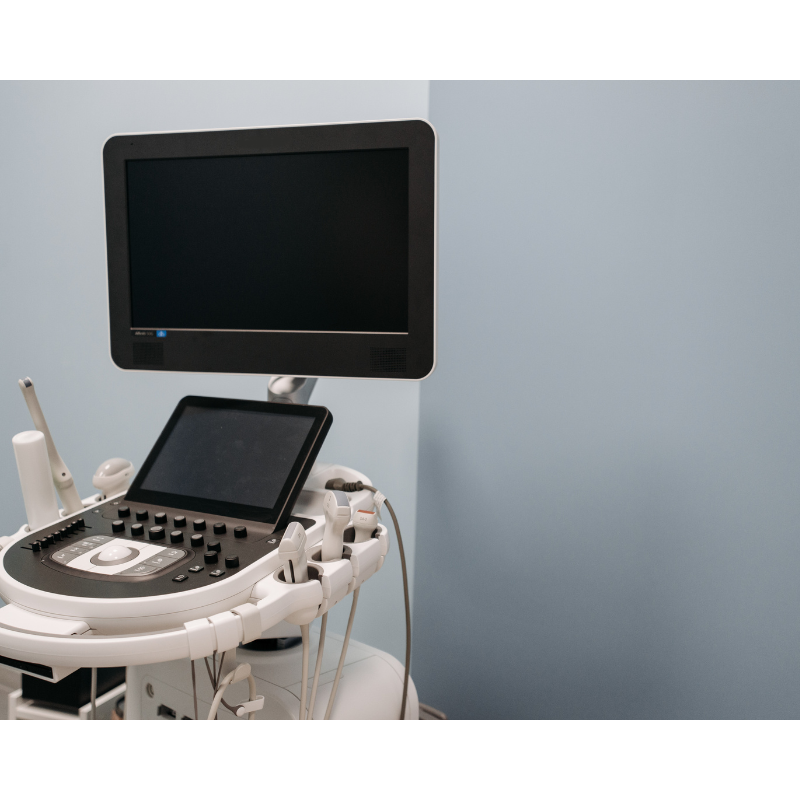
An ultrasound examination of the ankle is beneficial because it provides a quick, precise, and dynamic assessment of tendons, ligaments, bursae, and other soft tissues without harmful radiation. The scan can detect injuries such as sprains, tendonitis, or ruptures, and it can be performed while the ankle is moving, making it easier to identify functional issues. Additionally, ultrasound is affordable, accessible, and often provides immediate results.
See availabilityPlease do not hesitate to call us on 24 07 70 13.
Read what our clients say about our services

Advantages of diagnostic ultrasound
- Gentle and completely radiation-free
- Quick and real-time assessment of injuries
- Can evaluate tissues both at rest and in motion
- Excellent visualization of tendons, ligaments, bursae, and musclesImmediate results for faster diagnosis
- Affordable and widely accessible
- Can guide injections with high precision
Possible injuries that can be spotted by ultrasound
- Ligament injuries (sprain or rupture, especially of the lateral or medial ligaments)
- Tendonitis (e.g., Achilles tendon or peroneal tendons)
- Partial or complete tendon ruptures (e.g., Achilles tendon rupture)
- Bursitis around the ankle
- Fluid collections (effusion) in joints or tendon sheaths
- Chronic ankle instability
- Stress reactions in surrounding structures
- Ganglion cysts or other soft tissue masses
- Calcifications in tendons or ligaments
- Plantar fasciitis (if including the sole of the foot)
- Nerve entrapment or inflammation (such as tarsal tunnel syndrome)
- Early signs of osteoarthritis affecting joint surfaces (along with soft tissue evaluation)
Use your health insurance
We cooperate with all the major insurance companies, so that you can use your health insurance with us.
Read more about how to use your health insurance here