
What causes lower back pain?
Lower back pain can result from various factors, including muscle strains, disc herniation, overuse, or poor working posture.
How can I relieve lower back pain at home?
Try to stay active by going for frequent walks, perform recommended exercises, use an ice pack or heat therapy, and adjust your workstation for better ergonomics.
When should I seek professional help for my lower back pain?
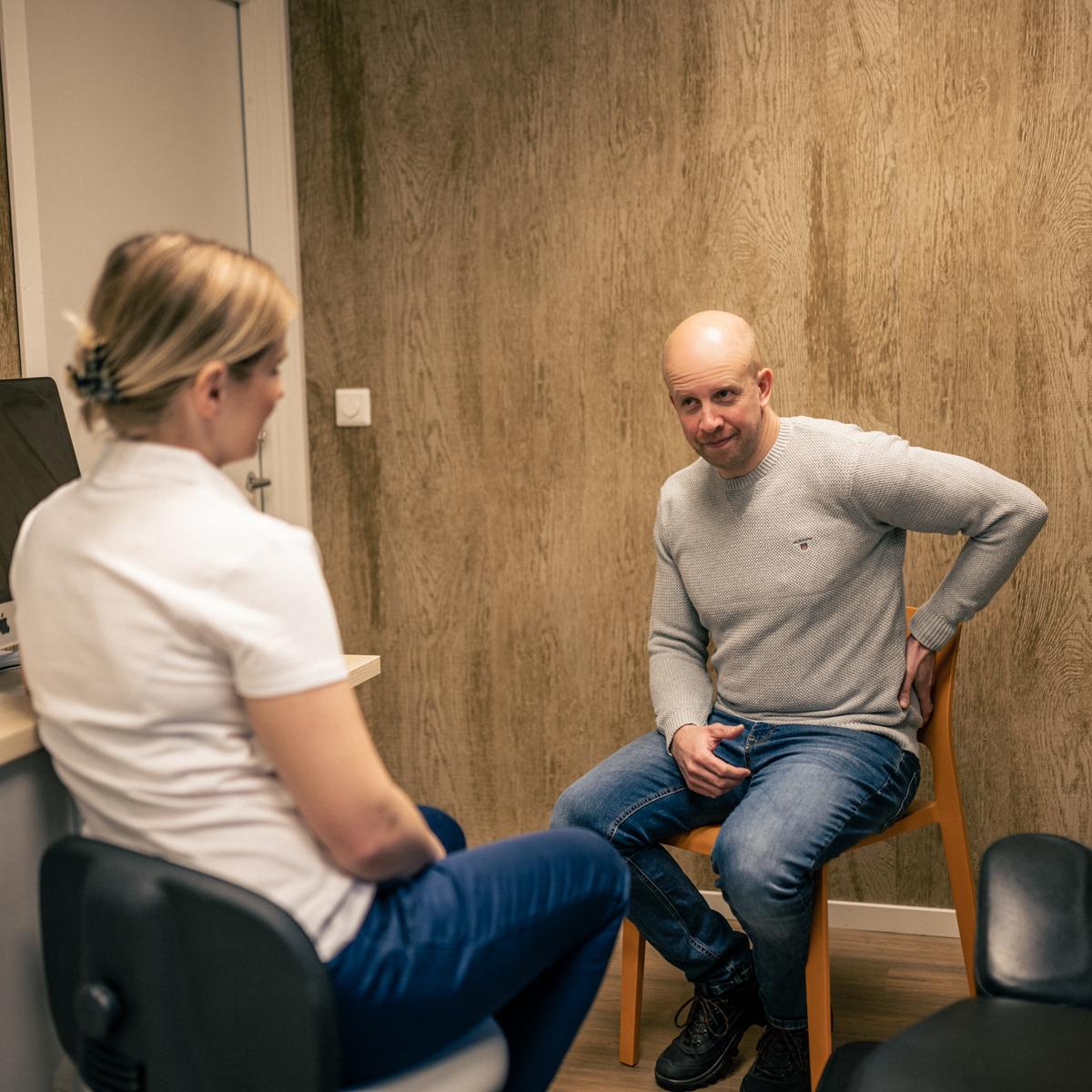
You should contact a healthcare professional if your pain persists for more than a week without improvement, is intense and requires rapid relief, or if you're concerned about more serious underlying causes. It is important to seek aid if you have muscle weakness, problems with bladder function or lack of sensation in the groin or both legs.
What can a physiotherapist or chiropractor do for my lower back pain?
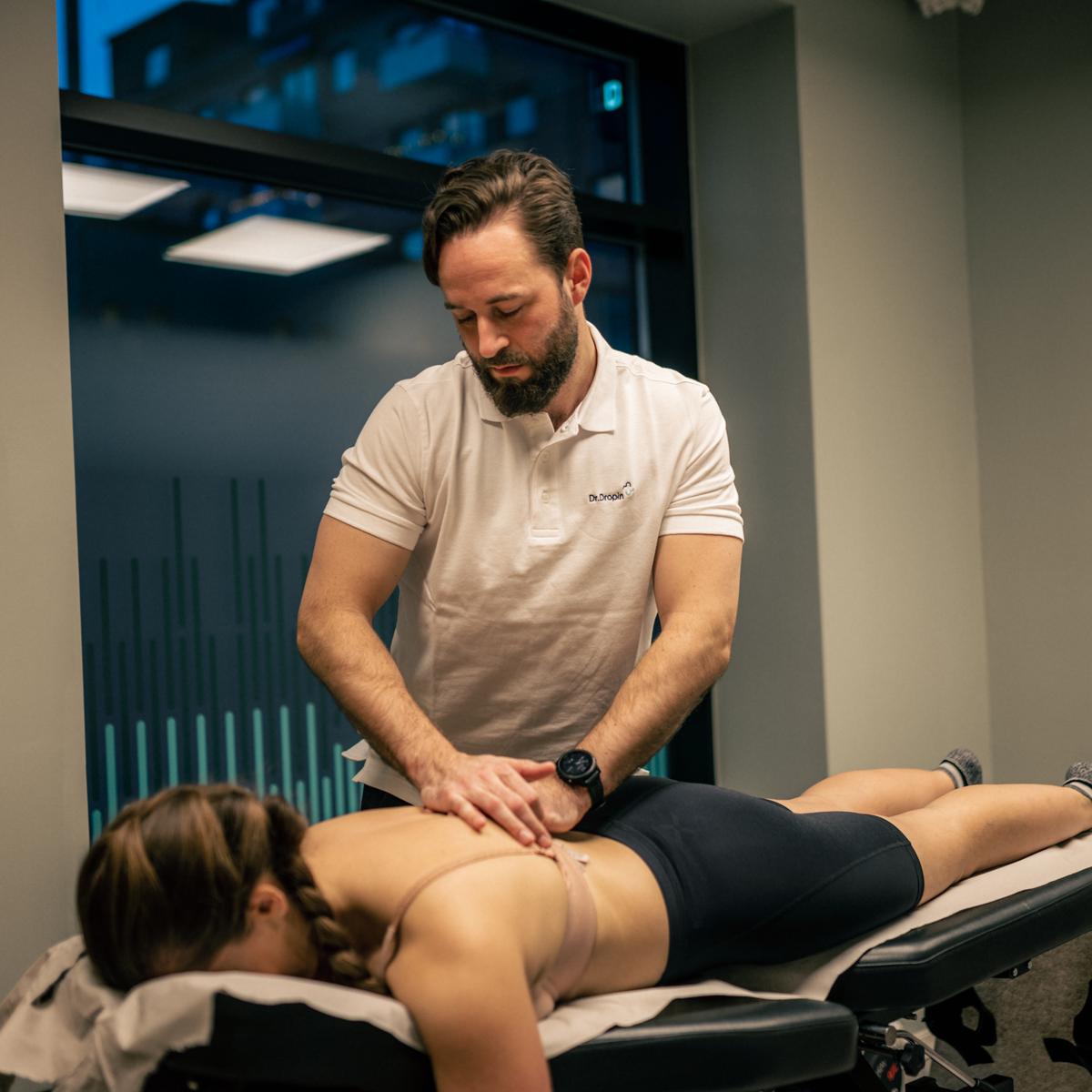
These professionals can assist with pain relief, improve back mobility, provide strength training, and offer functional rehabilitation.
Are there specific exercises that help with lower back pain?
Yes, specific stretching and strength exercises recommended by a therapist can help improve your lower back.
Why is lower back pain so common?
This is a question without a simple answer. But its possible that low back pain is prevalent because the lower back is a complex area exposed to various stresses and injuries in our daily lives.
How can I prevent lower back pain?
Prevention may include regular exercise, maintaining good posture, using proper lifting techniques, and making ergonomic adjustments in your workspace.
What is the best sitting and sleeping position for lower back pain?
The best advice you can get is to choose positions that feel comfortable and relaxing, rather than positions that are perceived as uncomfortable or demanding. Additionally, it's important to incorporate a lot of variation, as it's common for a good position to become uncomfortable after a short while.