




What is whooping cough?
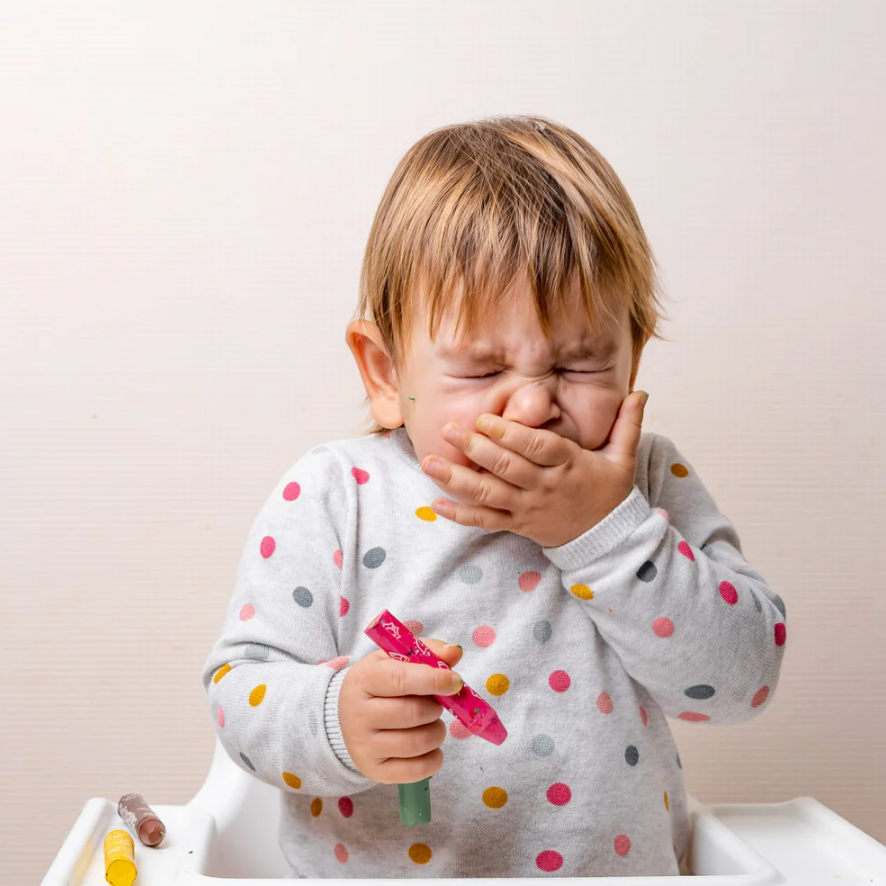
Whooping cough is a highly contagious respiratory disease with severe coughing fits, especially dangerous for young children.
How does whooping cough spread?
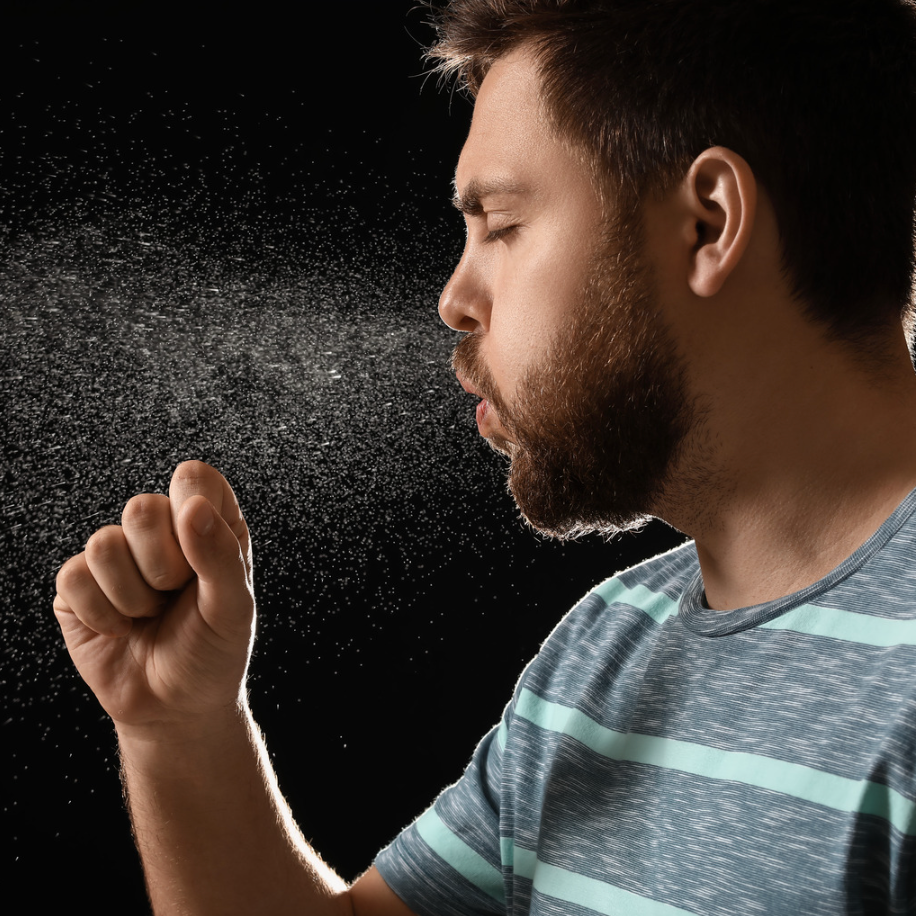
Whooping cough spreads through droplets from coughing or sneezing, and is most contagious in the early stages.
How can I protect myself from whooping cough?
Vaccination is the best protection against whooping cough. A booster is recommended every 10 years.
When should adults get a booster dose?
Adults should get a booster dose for whooping cough every 10 years.
Is the vaccine safe?
Yes, the whooping cough vaccine is safe and well tolerated by most people. As with all vaccines, mild side effects such as tenderness at the injection site, mild fever or fatigue may occur, but serious side effects are very rare.
How long does the protection from the whooping cough vaccine last?
Protection from the whooping cough vaccine usually lasts for 5 to 10 years. It is therefore recommended that adults receive a booster dose every ten years to maintain protection.
What should I do if I think I have whooping cough?
If you suspect you have whooping cough, you should contact your doctor as soon as possible. Treatment with antibiotics may be necessary, and it is important to get a diagnosis to avoid infecting other, particularly vulnerable groups such as infants.
When do you get antibiotics for whooping cough?
Antibiotics are given for whooping cough to reduce contagiousness, especially if the disease is detected early. Treatment is most effective if started within the first three weeks after symptoms begin. Antibiotics may also be given to close contacts of someone with whooping cough, particularly those in high-risk groups, such as infants or pregnant women.