






Perimenopause: When your body begins to change

Feeling like you're not quite yourself, even though your period is still regular? Perimenopause is the phase leading up to menopause, and the symptoms can often be vague.

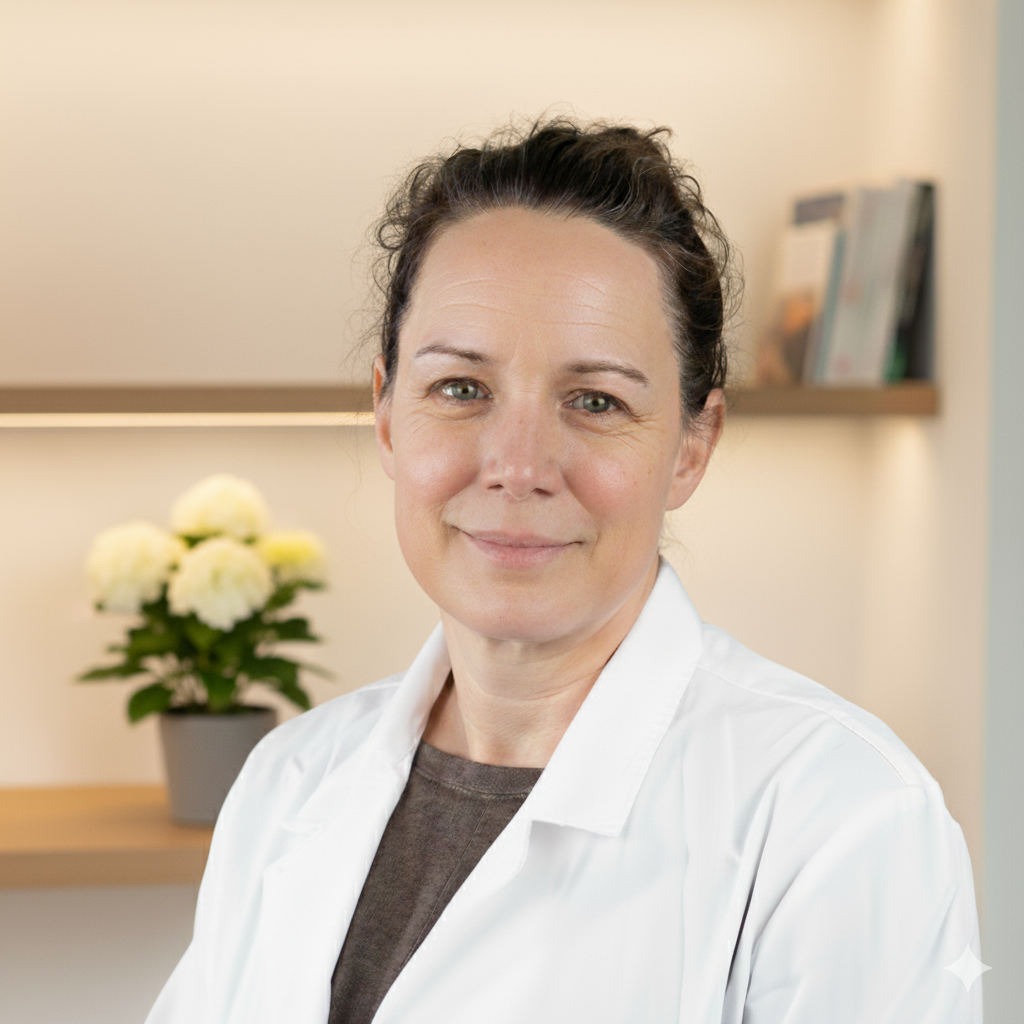
Gynecologist Julia Hoge is a specialist in identifying these early signs and helping you regain your balance.

What is Perimenopause?

The phase many are unaware of

Perimenopause is the transitional period leading up to menopause (the final period). For many women, this phase begins as early as their 40s and can last anywhere from a couple of years to over a decade.

Many women find that their concerns are dismissed because they "still have their period," but it is precisely in this phase that fluctuations in estrogen and progesterone are most challenging. With Julia, you are taken seriously, regardless of where you are in your cycle.

Book appointment

How Julia helps you

A tailored plan for your perimenopause

There is no "standard package" for treatment in this phase. Julia uses her broad experience from hospitals in Norway and Sweden to provide safe and evidence-based care.

  • Thorough mapping: We review your medical history, current life situation, and symptoms in detail.
  • Hormonal support (MHT): For many, low-dose Menopause Hormone Therapy (MHT) can make a significant difference in quality of life during perimenopause.
  • Non-hormonal alternatives: Julia also provides advice on lifestyle, diet, and other measures that support the body through these changes.
  • Prevention: We look at your long-term health, including heart health and bone density (osteoporosis prevention).

Book appointment

The concepts simply explained

Menopause is a natural phase in life where women stop having periods and can no longer get pregnant. The average age for menopause in Norway is 52-53 years. There are different phases of menopause:

  • Menopause: This is the time of your last menstrual period. You have reached menopause when you have not had any bleeding for 12 months.
  • Perimenopause: This is the period before menopause, where you may experience irregular periods and typical menopausal symptoms such as hot flashes and mood swings.
  • Postmenopause: This is the time after menopause.

Sometimes menopause occurs earlier than usual:

  • Early menopause: Between 40 and 45 years old.
  • Premature Ovarian Insufficiency: Before 40 years old.

Important:

  • There is no blood test that can predict exactly when you will reach menopause.
  • The average age for menopause in Norway is 52-53 years old.

If you have any questions or are experiencing symptoms related to menopause, you can book an appointment with one of our gynecologists.

Three phases - Julia can help you in all of them

Perimenopause

We identify and treat the initial, often diffuse symptoms of hormonal changes, while you still have your menstrual period.

Menopause

We confirm the diagnosis and develop a targeted plan for treating established symptoms and preventing long-term consequences.

Postmenopause

We follow up on the treatment, ensure optimal dosing, and focus on long-term health checks and quality of life.Eksporter til Regneark

Meet Dr. Julia Hoge

Specialist in Menopausal Medicine – Gynecologist Julia Hoge

Dr. Julia Hoge completed her specialist training in gynecology and obstetrics in Sweden and has built up long and solid experience from hospitals in both Sweden and Norway, including roles as a Senior Consultant (Overlege) at Østfold and Ringerike Hospitals. This broad hospital background provides a robust foundation for her area of specialization.

Her core expertise lies in hormonal disorders and specifically Menopausal medicine (perimenopause and menopause). Julia is dedicated to helping women facing challenges related to hormonal changes, and she continuously stays updated on the latest research in the field.

Julia is driven by two main principles: A high professional standard and patient-centered care.

She is committed to the belief that there is no "one size fits all" solution for menopausal symptoms. During consultations, she takes ample time to listen and conduct a thorough, individual assessment. Her goal is for you as a patient to feel fully heard and well-informed about all treatment options. She strives to explain your health situation as clearly as possible, ensuring that she and the patient are on the same page.

Furthermore, Julia emphasizes quick and efficient patient contact, including the fastest possible follow-up on test results.

Languages: Julia is proficient in Norwegian, Swedish, English, and German.

How long can perimenopause last?

Perimenopause can last for varying lengths of time, but on average it lasts for 4 years.

Some women experience perimenopause for only a few months, while others may be in this phase for up to 10 years.

Perimenopause typically starts 8-10 years before menopause (the final menstrual period) and ends 12 months after the final menstrual period.

There are large individual variations.

Factors that can affect the length of perimenopause:

  • Genetics
  • Lifestyle
  • Health conditions

Symptoms of perimenopause:

  • Irregular periods
  • Hot flashes
  • Night sweats
  • Mood swings
  • Sleep problems
  • Vaginal dryness
  • Decreased sex drive

If you are experiencing symptoms of perimenopause, it is a good idea to contact a doctor for advice and guidance.

Book appointment

FAQ

Category:
Perimenopause
Can I start hormones even if I still have my period?

Yes, absolutely. Treatment in perimenopause is about stabilizing hormonal fluctuations so you can get your quality of life back.

Why don't my blood tests show that I'm in menopause?

During perimenopause, hormone levels fluctuate from day to day. A blood test is just a "snapshot" and is rarely useful for making a diagnosis. Your clinical symptoms are the most important indicator.

Do I need a referral to see Julia?

No, you can book an appointment directly through our website for a specialized consultation.

Is perimenopause the same as the "early stages" of menopause?

Yes, it is the medical term for the years preceding the actual onset of menopause (the final period).

Contact us