

Should one check moles regularly?
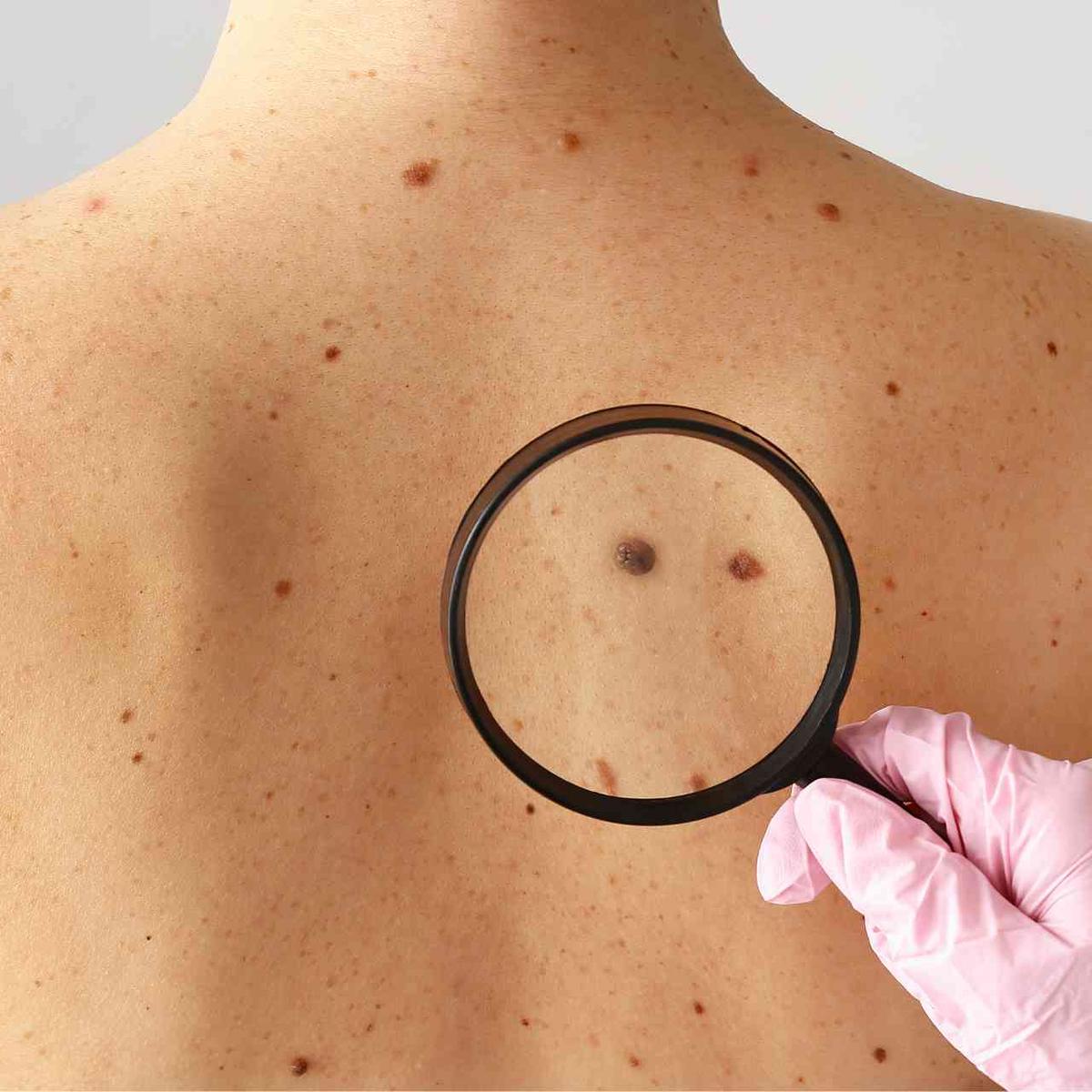
It is important to be aware of moles, especially when there are many or large moles. Frequent checks are recommended, for example annual checks or when changes are detected. This is especially important if you have:
A significant number of moles, especially over 50, measuring more than 2 mm in diameter.
Several large moles, with a diameter of more than 7 mm, which have an uneven shape and varied colors.
A family history of mole cancer, especially if parents or siblings have been affected.
Prolonged sun exposure without adequate UV protection, especially if you have experienced sunburn.
Being aware of these risk factors and seeking medical help when necessary can contribute to early detection and treatment of potential skin problems.
Is it enough to check the moles yourself or should it be done by a dermatologist?
Self-monitoring of moles is a good practice to detect any changes in time. However, if you notice changes, it is important to seek professional help from a dermatologist or general practitioner for a more thorough assessment.
Which changes / signs should I react to and see a doctor for?
See below for a checklist for when you should see a dermatologist or general practitioner for a consultation.
- You get a new mole
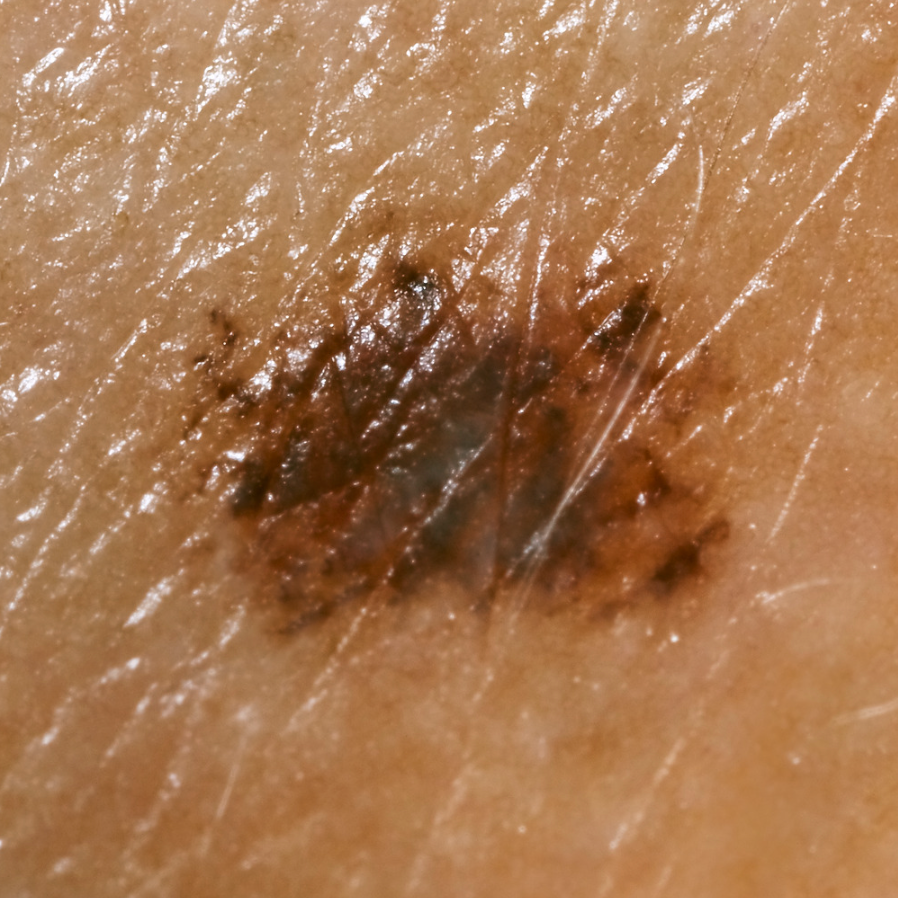
- A mole changes shape and colour, by
- Becomes larger than before, in thickness or in width
- Changes shape and gets uneven edges
- Changes colour, often with brown-black parts
- A mole itches, bleeds or forms a wound that will not heal
Are new moles dangerous?
A new mole is not dangerous in itself. Most new moles appear early in life and up to the age of 25, but they can also appear after this. New moles most often appear on skin areas exposed to the sun. If the new mole has signs such as uneven color and shape, an uneven surface, itches, sores or bleeding, you should have it checked by a dermatologist or general practitioner.
Is there anything I can do to prevent more moles?
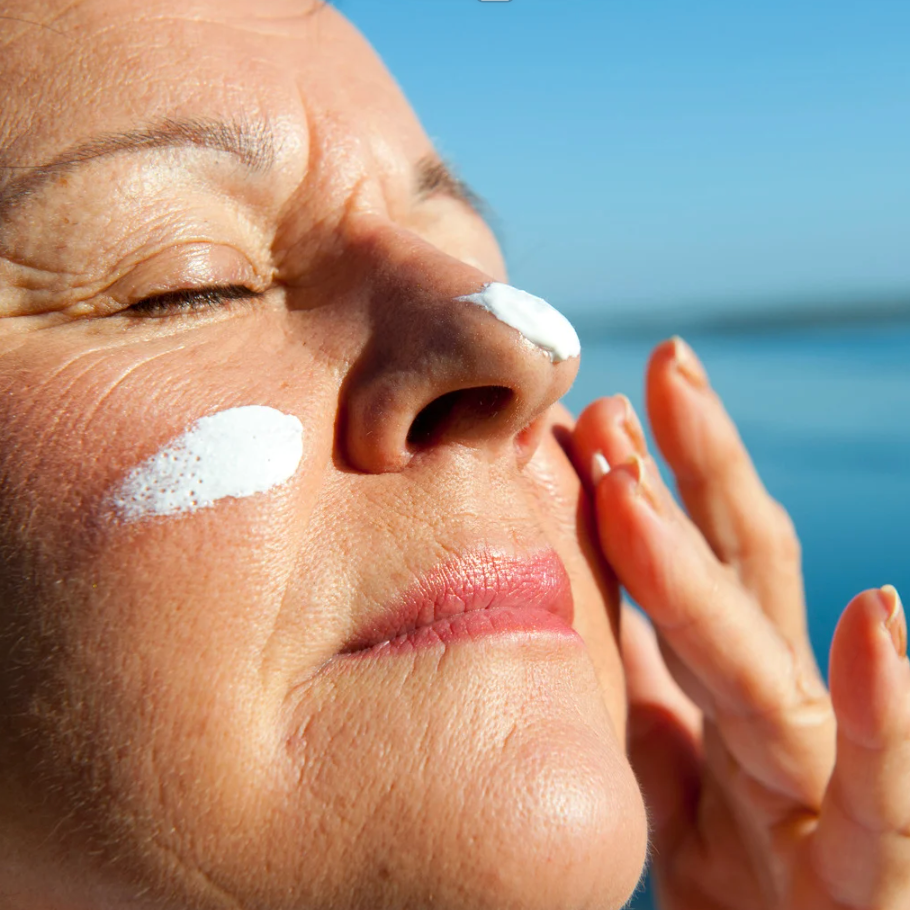
Unfortunately, we cannot control whether we get more moles or not, as they are primarily genetic and can also be affected by exposure to sunlight and other environmental factors. However, it is important to protect the skin from excessive sun exposure by using sunscreen with a high SPF, avoiding sunburn, and wearing protective clothing and sunglasses when outdoors in bright sunlight. This can help reduce the risk of developing new moles and other skin problems.