Where can I get tested for HIV?
You can get tested at a general practitioner, or at a dermatology clinic. At municipal clinics the test is free, but at private clinics you pay for the consultation.
What can I do myself to avoid HIV infection?
The best thing you can do yourself is to use a condom during intercourse (both vaginal and anal), and not share needles with others / use used needles.
What is the prognosis for HIV?
There are good prognoses today, as there is good treatment against the virus so you avoid long-term and serious illness.
What is the difference between HIV and AIDS?
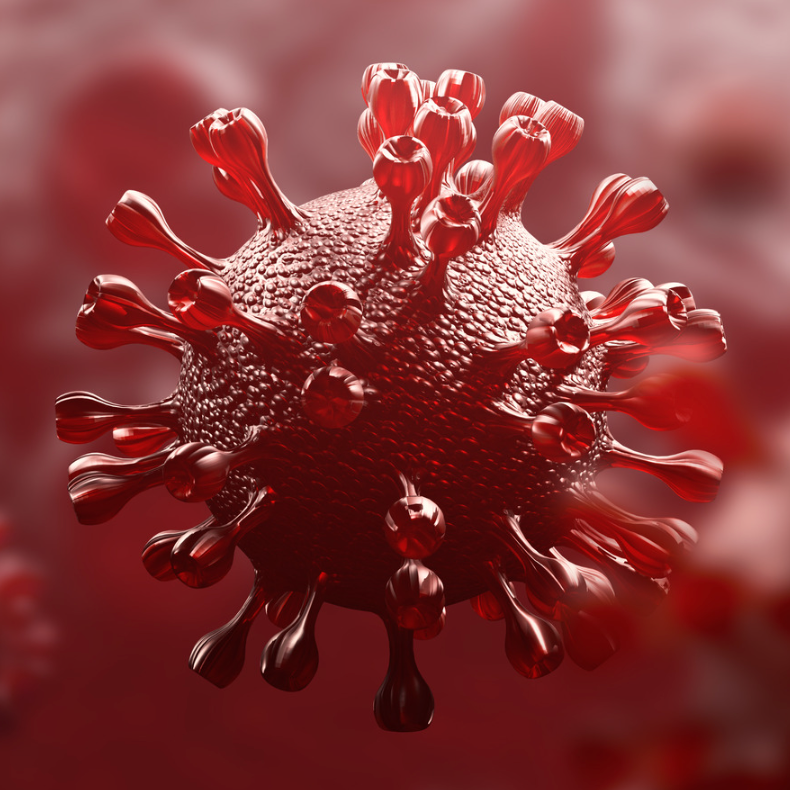
HIV is the virus that can lead to the disease AIDS. It is not a given that you get AIDS even if you have HIV. If you get good treatment started early enough, most people live a good and normal life without it developing into AIDS.
Can one be cured of HIV?
No, the virus is with you for life, but treatment can help so you are not sick (only the carrier of the virus)
What are the symptoms of HIV?
The symptoms of HIV can vary, but early symptoms can include flu-like symptoms such as fever, fatigue and swollen lymph nodes. Some people may be asymptomatic for many years after infection.
How is HIV diagnosed?
HIV can be diagnosed by taking a blood test that detects antibodies against the virus. There are also home tests available for HIV testing.
Can HIV be treated?
Yes, HIV can be treated with antiretroviral drugs that help control the virus and prevent the development of AIDS. Early treatment can help prolong life and reduce the risk of transmitting the virus to others.
How can I protect myself from HIV?
You can protect yourself from HIV by using a condom during sexual activity, avoiding sharing injection equipment, and by getting tested regularly for HIV.
Is there a vaccine against HIV?
There is currently no vaccine that completely protects against HIV infection, but researchers are working to develop an effective vaccine.
How do people with HIV live today?
People with HIV can live long and healthy lives with the right treatment and follow-up from healthcare professionals.