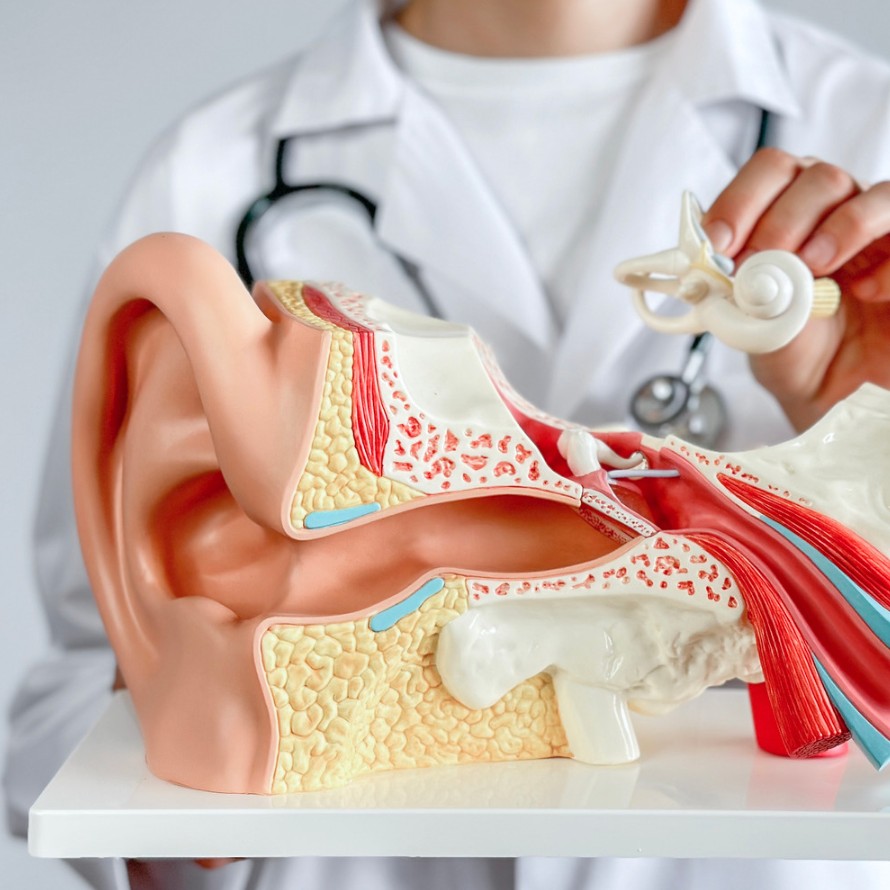


What is tinnitus and what causes it?
Ringing in the ears, also known as tinnitus, is the experience of hearing sounds in the ear without any external sound source. The causes of tinnitus can vary, but common factors include exposure to loud noises, age-related hearing loss, ear damage, or underlying medical conditions.
What kind of sounds are usually experienced with tinnitus?
The sounds experienced with tinnitus can vary from person to person, but they can include ringing, hissing, hissing, beeping, or buzzing in the ear.
Is tinnitus common, and who can be affected by it?
Tinnitus is quite common and can affect people of all ages and backgrounds. It can be temporary or chronic, and it is estimated that around 10-15% of the population experiences some form of tinnitus.
What are the treatment options for tinnitus?
The treatment of tinnitus depends on the cause and severity of the condition. Some treatment options include sound therapy, cognitive behavioral therapy, hearing aids, or medications to treat underlying causes.
Are there any ways to relieve tinnitus at home?
Some people find relief from tinnitus by avoiding noisy environments, using white noise or soothing sounds to mask the tinnitus, or by practicing relaxation techniques such as meditation or deep breathing.
How can I get an accurate diagnosis and treatment for tinnitus?
If you experience persistent tinnitus, you should be referred by one of our GPs to an ear-nose-throat specialist (ENT doctor) or audiologist for a thorough evaluation and treatment. They can help you determine the cause of your tinnitus and develop an individualized treatment plan.
Are there any preventive measures to avoid tinnitus?
Prevention of tinnitus includes protecting the ears from loud noises, avoiding the use of earplugs or headphones at high volume levels, and by maintaining general ear and hearing health.